1 March 2026
Wheel Bearing Replacement on Trailers: A Complete Guide
Wheel bearings are critical components that allow your trailer's wheels to spin smoothly and safely. Over time, these bearings wear out and require replacement to prevent costly damage and ensure safe towing. This guide will help you understand when replacement is needed and what to expect from the process.
Why Wheel Bearing Maintenance Matters
Trailer wheel bearings endure constant stress from the weight of your load and road conditions. Unlike car bearings, trailer bearings often operate in harsher environments—exposed to water, salt spray, and dust. Regular inspection and timely replacement prevent wheel seizure, which can damage your trailer axle, suspension, and create dangerous towing conditions.
Signs Your Trailer Wheel Bearings Need Replacement
Watch for these warning signs:
- Grinding or squealing noises from the wheel area when towing
- Excessive heat around the wheel hub after towing (use caution when touching)
- Play or wobbling in the wheel when you grasp it and try to move it side to side
- Uneven braking or pulling to one side
- Visible corrosion or damage on the bearing races or rollers
- Grease leakage onto the wheel or brake components
If you notice any of these signs, have your bearings inspected immediately. Continuing to tow with damaged bearings risks wheel lockup or detachment.
Understanding Trailer Bearing Types
Most Australian trailers use one of two bearing types:
Tapered Roller Bearings are the most common in utility and horse trailers. They're durable, handle side loads well, and are relatively straightforward to replace. These bearings sit inside a cone-shaped race and are adjusted by tightening a castle nut.
Ball Bearings appear in some lighter trailers and sealed units. These require complete cartridge replacement rather than individual bearing servicing.
Always identify your bearing type before purchasing replacements. Check your trailer's documentation or consult a trailer repair specialist.
The Replacement Process
Professional Service
Most Australian trailer owners choose professional replacement through authorised trailer repair facilities. Specialists have proper equipment, including wheel pullers and bearing presses, ensuring correct installation. This typically costs between $300–$600 per wheel, depending on bearing type and location.
Professional service includes wheel removal, bearing inspection, seal replacement, proper greasing, and wheel realignment. This thoroughness prevents premature failure and maintains your trailer's handling characteristics.
DIY Replacement
If you're mechanically inclined, you can replace bearings yourself. You'll need:
- Jack and axle stands
- Wheel puller (essential)
- Bearing press or appropriate tools
- New bearing kit (races, rollers, seals, and grease)
- Brake cleaner and rags
- Bearing grease (marine-grade for coastal areas)
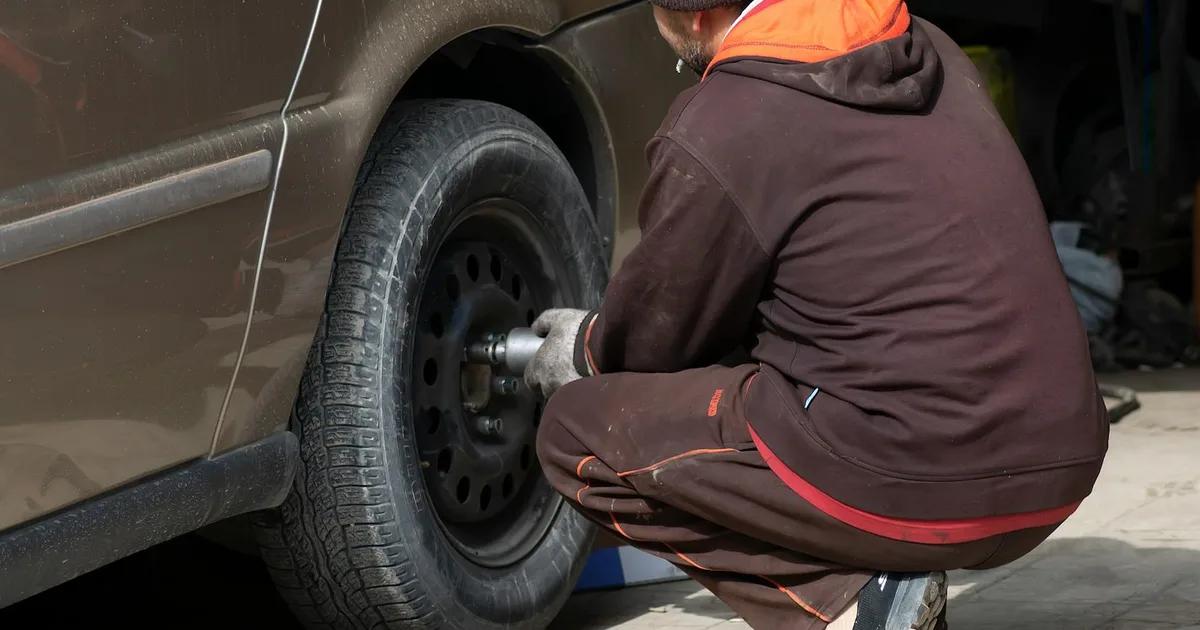
The process involves removing the wheel, pulling the brake drum or rotor, extracting the old bearing and race, pressing the new race into place, installing fresh bearings, and repacking with quality grease. Incorrect installation can cause premature failure and safety issues, so take your time and follow manufacturer specifications.
Preventative Maintenance Tips
Extend bearing life with regular care:
- Inspect annually before the towing season
- Check grease condition during inspections; it should be clean and properly distributed
- Wash your trailer regularly, especially after beach use, to remove corrosive salt
- Repack bearings every 10,000–15,000 km or annually, whichever comes first
- Monitor tyre pressures as incorrect pressures increase bearing stress
- Avoid overloading beyond your trailer's rated capacity
- Protect from water by ensuring wheel seals remain intact
Cost Considerations
Bearing replacement costs vary based on:
- Bearing type (tapered roller vs. sealed cartridge)
- Trailer size and axle configuration
- Labour rates in your region
- Additional repairs if damage has occurred to races or hubs
Budget $300–$600 for professional single-wheel service in most Australian locations. Replacing both wheels simultaneously often offers better value and ensures balanced performance.
When to Seek Professional Help
Contact a qualified trailer repair specialist if:
- You're unsure about bearing type or condition
- You lack proper tools or mechanical experience
- The hub shows damage beyond bearing wear
- You need work completed before a critical towing trip
- Bearings fail again shortly after replacement
Conclusion
Wheel bearing replacement is essential maintenance that shouldn't be neglected. Whether you choose professional service or tackle it yourself, prioritise quality components and proper installation. Regular inspection catches problems early, preventing expensive repairs and keeping your towing safe and reliable. When in doubt, consult a trusted local trailer repair facility—it's a worthwhile investment in your trailer's longevity and safety on Australian roads.