1 March 2026
Annual Roadworthy Checks for Trailers in Australia
Why Annual Roadworthy Checks Matter
If you own a trailer in Australia, understanding the importance of annual roadworthy checks is crucial for both safety and legal compliance. A roadworthy certificate, often called a "pink slip," is essential documentation that proves your trailer meets the safety standards required by Australian road laws.
Many trailer owners underestimate the significance of these checks, but the reality is that a well-maintained trailer protects you, your cargo, and other road users. Regular inspections can also prevent costly repairs down the line by catching minor issues before they become major problems.
Understanding Roadworthy Requirements
In most Australian states, trailers require a roadworthy inspection every 12 months. However, requirements can vary depending on your state or territory and the type of trailer you own. Heavy trailers, agricultural trailers, and horse floats may have different inspection schedules, so it's worth checking with your local transport authority.
A valid roadworthy certificate is not just a recommendation—it's a legal requirement if your trailer is registered. Driving an unroadworthy trailer can result in significant fines and potential liability issues if an accident occurs.
Key Components Checked During Inspection
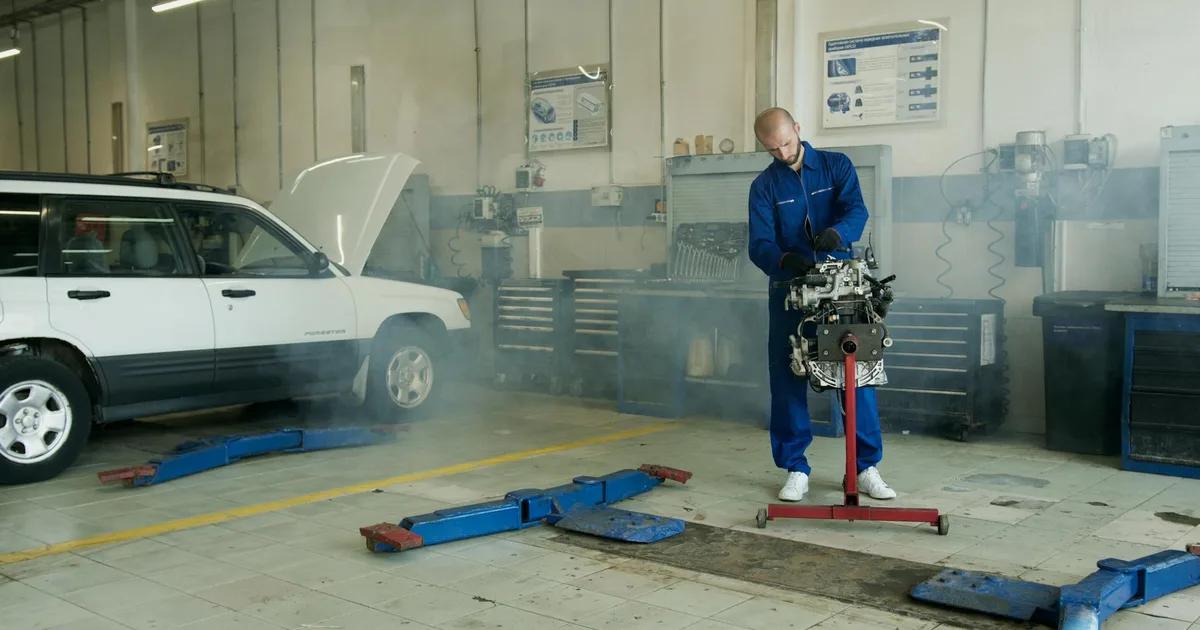
During a roadworthy inspection, a licensed mechanic will thoroughly examine several critical areas:
Braking System The brakes are perhaps the most important safety feature. Inspectors test brake responsiveness, check brake fluid levels, and examine brake pads and discs for wear. Your trailer's braking system must be in excellent condition to safely stop under all driving conditions.
Tyres and Wheels Tyre tread depth, sidewall condition, and proper inflation are all assessed. The wheels are checked for damage, corrosion, and proper fitment. Worn or damaged tyres are a common reason for roadworthy failures.
Lights and Reflectors All lights—including brake lights, tail lights, and indicator lights—must function correctly. Reflectors should be clean and undamaged. These components are vital for visibility, especially when towing in low-light conditions.
Coupling and Drawbar The coupling mechanism that attaches your trailer to your vehicle is inspected for structural integrity, rust, and proper function. A faulty coupling is a serious safety hazard.
Frame and Body Structural damage, rust, and corrosion are assessed. The trailer's frame must be sound to safely distribute loads and withstand road stresses.
Suspension Shock absorbers, springs, and suspension components are checked for wear and damage. A compromised suspension affects handling and stability.
Signage and Registration Your trailer's identification plates, safety warning labels, and registration must be clearly visible and legible.
Preparing for Your Inspection
To make your roadworthy inspection smooth and increase the likelihood of passing, take these preparation steps:
Clean Your Trailer A clean trailer makes it easier for inspectors to spot potential issues. Give your trailer a thorough wash and remove any accumulated dirt, mud, or debris.
Check the Basics Before the inspection, test all lights, check tyre pressures and tread depth, ensure brakes are responsive, and look for any visible rust or damage.
Service If Needed If your trailer hasn't been serviced recently, consider having work done beforehand. This is especially important if you're aware of existing issues.
Gather Documentation Have your trailer's registration papers and maintenance records ready. These can be helpful reference materials.
Common Reasons for Failure
Understanding why trailers fail inspections can help you avoid these issues:
- Brake problems remain the leading cause of roadworthy failures
- Tyre defects including insufficient tread depth or damage
- Light failures on indicators, brake lights, or tail lights
- Rust and corrosion affecting structural integrity
- Coupling or drawbar damage
- Suspension issues including worn components
After Your Inspection
Once your trailer passes its roadworthy check, you'll receive a certificate valid for 12 months. Keep this certificate safe and note when your next inspection is due. Many trailer owners set calendar reminders to ensure they don't miss their annual check.
If your trailer fails inspection, don't be discouraged. Work with a qualified trailer repair specialist to address the identified issues. Most failures involve relatively straightforward repairs.
Finding a Qualified Inspector
Choose a licensed mechanic or repair centre with experience in trailer inspections. Look for businesses listed on official transport authority websites or seek recommendations from other trailer owners. A reputable repair centre will provide transparent communication about any issues found.
Conclusion
Annual roadworthy checks are a non-negotiable part of responsible trailer ownership in Australia. These inspections protect your safety, keep you compliant with the law, and help maintain your trailer's value. By understanding what's involved and preparing properly, you can ensure your trailer passes with flying colours year after year. Don't delay—schedule your next roadworthy inspection today and drive with confidence.